By Date
Nuñez named Hellman Fellow
 Assistant Professor of Biochemistry, Biophysics and Structural Biology, James Nuñez, was named a 2025 Hellman Fellow. This award, from the Society of Hellman Fellows Fund, was designed to support early career faculty who have shown evidence of their promise for distinction in research. Read more about the Society of Hellman Fellows here.
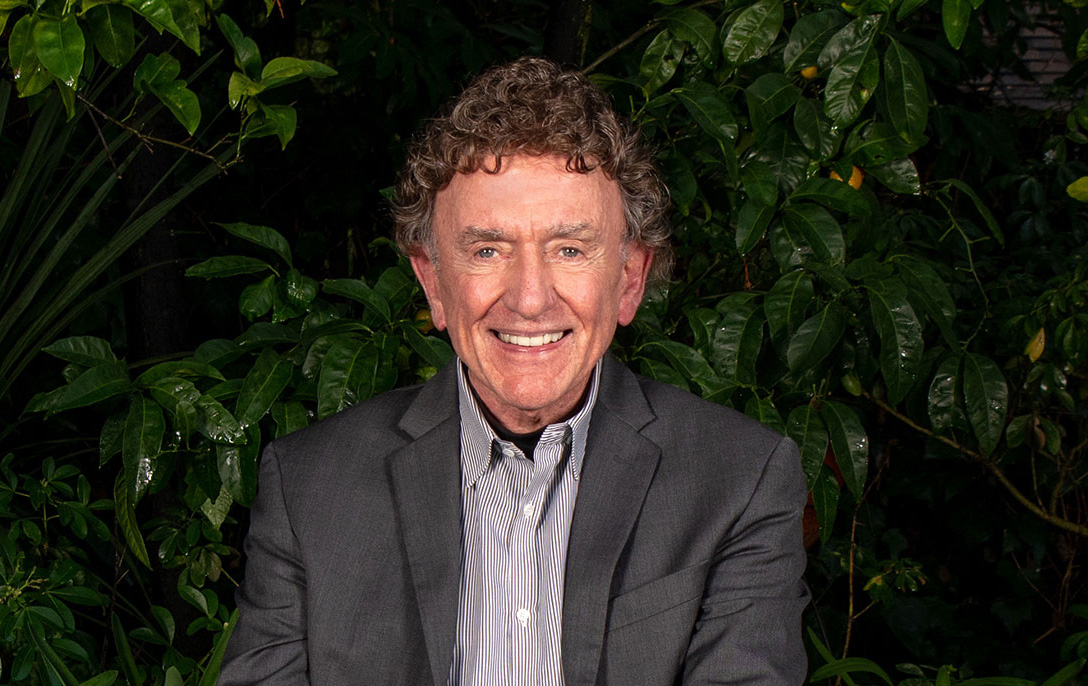
Gordon Rausser named 2025 Distinguished Emeritus of the Year
 June 02, 2025
 The award, which is bestowed by the UC Berkeley Emeriti Association, recognizes Rausser's contributions to research and service to UC Berkeley since he retired from the Department of Agricultural and Resource Economics in 2019.
Postdoc Erin Doherty named Leading Edge Fellow
 Congratulations to MCB postdoc Erin Doherty (Doudna Lab) on being named a 2025 Leading Edge Fellow for her pioneering research focused on the mechanism of viral immune evasion strategies. Read more about the Leading Edge Fellows here.
Fu named Hellman Fellow
 Assistant Professor of Cell Biology, Development and Physiology, Meng-meng Fu, was named a 2025 Hellman Fellow. This award, from the Society of Hellman Fellows Fund, was designed to support early career faculty who have shown evidence of their promise for distinction in research. Read more about the Society of Hellman Fellows here.
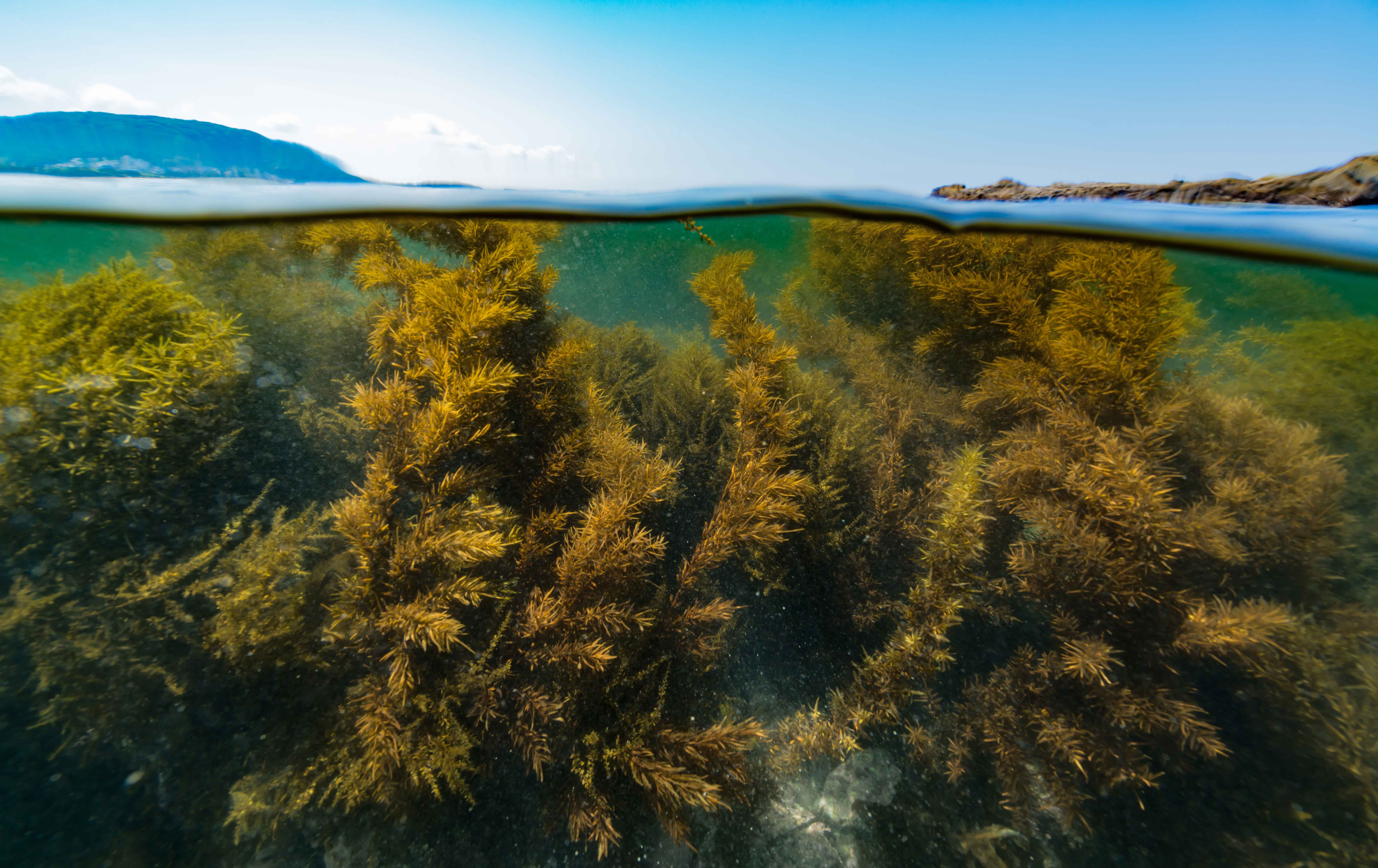
Conference fosters connection in growing seaweed industry
 May 29, 2025
 The inaugural workshop of the International Bioeconomy and Macroalgae Center convened an international, interdisciplinary group to focus on advancing seaweed research, cultivation, and application.
Congratulations 2025 commencement award winners

The MCB Department is proud of our newest graduates and all that they have accomplished! Please help us celebrate the 2025 MCB Commencement Honors awardees listed below.
2025 MCB PhD Commencement Honors
The following are the recipients of our annual PhD graduate awards for research, academic, and community achievement.
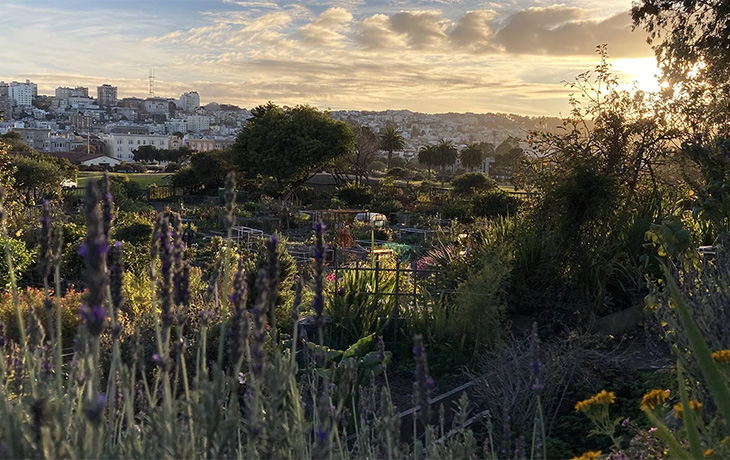
New insights about birds in San Francisco’s community gardens
 May 28, 2025
 ESPM assistant professor Alejandra Echeverri co-authored a recent study that explored trends in bird sightings at community gardens in low- and high-income neighborhoods.
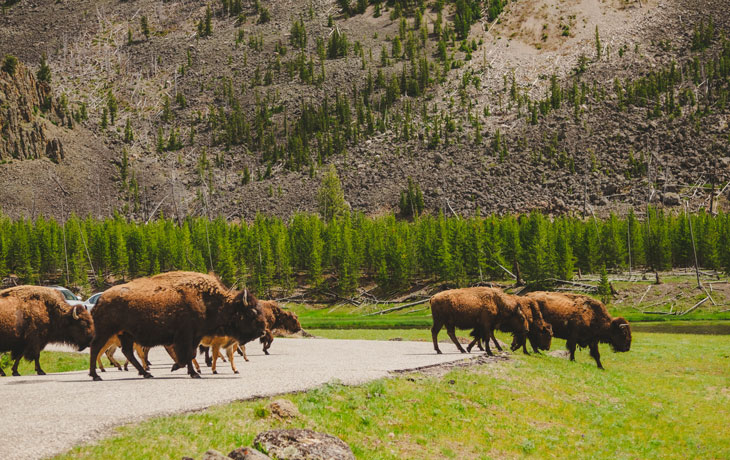
Linking landscape conservation and wildlife viewing in protected areas
 May 27, 2025
 A new study from the Stone Center researchers and collaborators finds that national park visitors would donate to support conservation efforts.
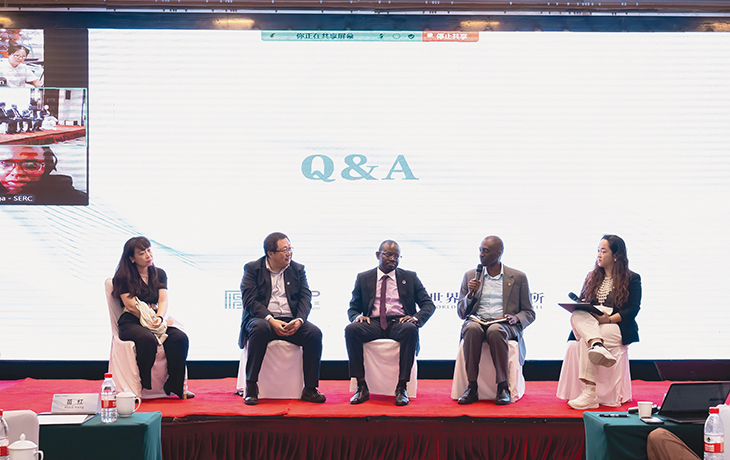
Q&A: California-China Climate Institute
 May 27, 2025
 The California-China Climate Institute advances subnational climate action.
2025 MCB Postdocs Research Showcase: Amplifying Science Through Connection
On May 5, 2025, MCB held its 4th annual Postdocs Research Showcase at Sutardja Dai Hall, bringing together approximately 70 attendees for a day of scientific exchange, career development, and community building.
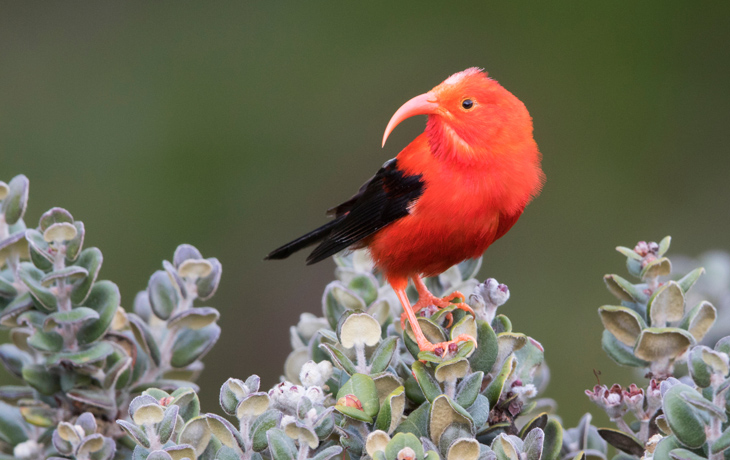
New NAS report details how climate change harms biodiversity
 May 26, 2025
 Draft chapters of a new National Academy of Sciences report co-authored by ESPM associate adjunct professor Patrick Gonzalez detail how human-caused climate change affects the biodiversity of plants, animals, and ecosystems that sustain nature and human well-being
Shreya Chaudhuri on how UC Berkeley inspires the courage to make change
 May 23, 2025
 The 2025 Rausser College student commencement speaker urged graduates to recognize the potential of using their voice and UC Berkeley education to change the world.
Nogales elected to the Royal Society
 Professor of Biochemistry, Biophysics and Structural Biology Eva Nogales was elected to the Fellowship of the Royal Society. The Royal Society selects their fellows for their exceptional contributions to science. Read more about the researchers elected to the Fellowship of the Royal Society here.
Stanley Qi: “For many people, waiting is not an option”
Equipad wins Collider Cup Alumni Expo Award
Rosalie Fanshel recognized with leadership in graduate diversity award
 May 22, 2025
 Fanshel, a 2025 ESPM PhD graduate, received the Graduate Division's Cynthia Ladd-Viti Award for integrating justice, equity, diversity, and inclusion within their teaching, mentoring, advising, and research.
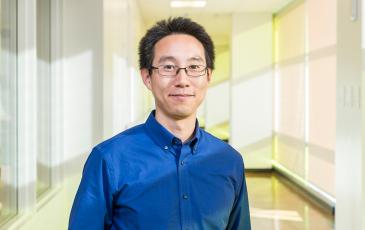
Professor Patrick Shih honored by the American Society of Plant Biologists
 May 21, 2025
 Shih, an assistant professor in PMB, is the Society’s 2025 recipient of the Charles Albert Shull Award.
(Not) The End of Chocolate
 May 20, 2025
 PMB professor emerit Brian Staskawicz and IGI researchers are working to safeguard the planet’s supply of cacao from disease.
The Spring 2025 Transcript newsletter is here!
 Learn about MCB's exciting research, master of biotech cohort, new faculty, youth STEM conference, alumni and more!